
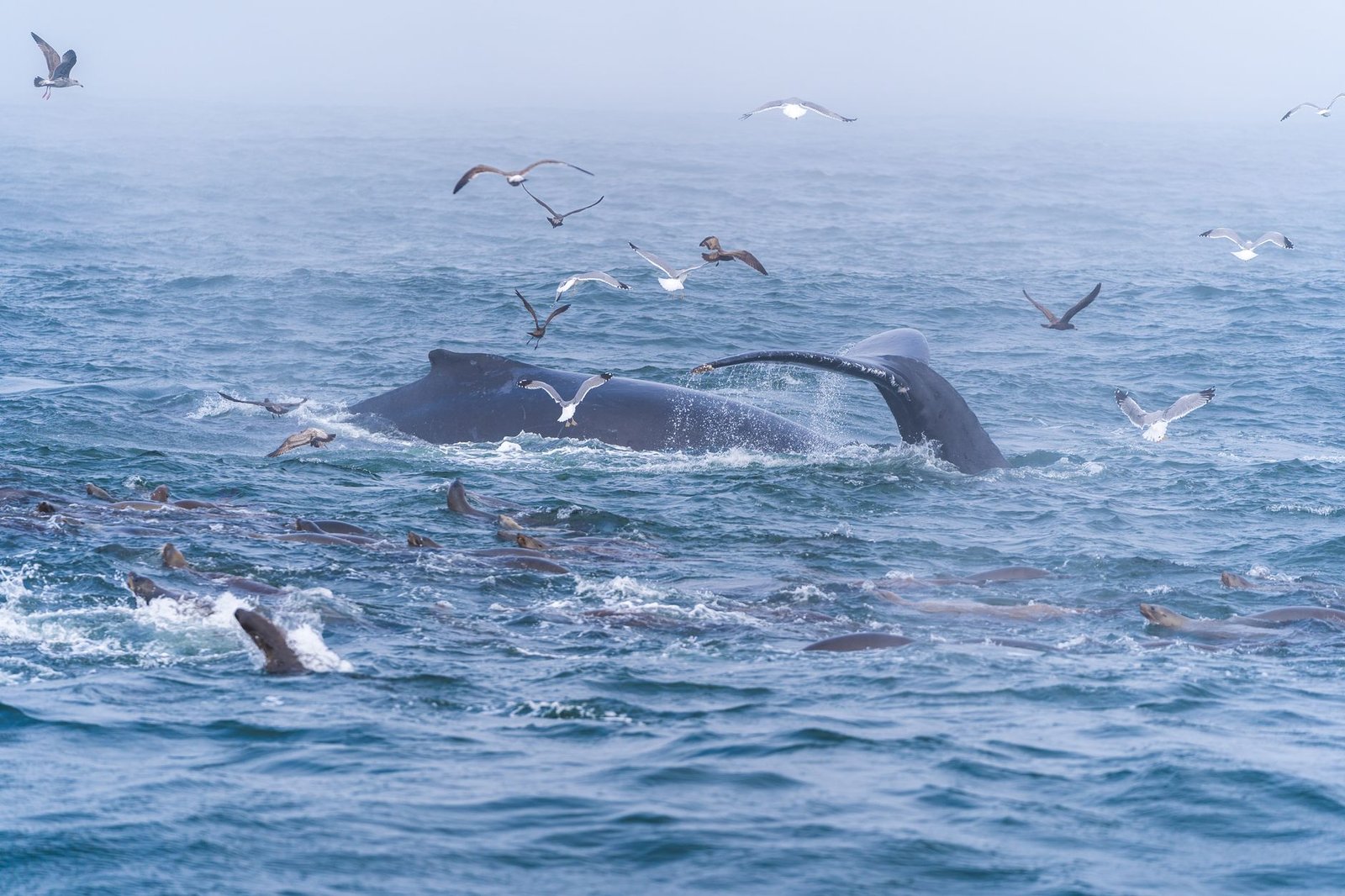
{“title”:”Gray Whales Die-Off Sparks Concern on West Coast”,”meta”:”145 gray whales found dead, sparking crisis”,”html”:”
A massive die-off of gray whales is underway on the West Coast, with 145 whales found dead, prompting researchers to declare a ‘catastrophic mortality event’. This crisis has significant implications for the ecosystem and raises concerns about the health of our oceans. As experts warn that 2026 could be one of the deadliest years on record for whales, the situation is becoming increasingly dire.
Causes of the Die-Off
Researchers are still working to determine the exact cause of the die-off, but reports suggest that a combination of factors may be to blame. These include changes in food availability, increases in ocean noise, and the impact of climate change. According to experts, the gray whale population is particularly vulnerable to these changes.
Impact of Climate Change
Climate change is altering the distribution and abundance of the whales’ primary food source, krill, which is having a devastating impact on the gray whale population. As the ocean warms, krill are moving to cooler waters, making it harder for the whales to find the food they need to survive. This is particularly concerning, as gray whales rely on krill to fuel their migration.
Key Facts About the Die-Off
Here are some key facts about the gray whale die-off:
- 145 gray whales have been found dead on the West Coast so far this year
- The die-off is occurring along a 1,000-mile stretch of coastline
- Experts warn that 2026 could be one of the deadliest years on record for whales
- The gray whale population is estimated to be around 27,000
- The die-off is not limited to one age group, with whales of all ages being affected
- The cause of the die-off is still unknown, but climate change is suspected to be a factor
Conservation Efforts
Conservation efforts are underway to protect the gray whale population and mitigate the impact of the die-off. These efforts include monitoring the whales’ migration patterns, reducing ocean noise, and protecting their habitat. However, more needs to be done to address the root causes of the die-off and ensure the long-term survival of the species.
The die-off of gray whales on the West Coast is a complex issue with no easy solutions, but it’s clear that something needs to be done to prevent further losses. As researchers continue to study the situation and conservation efforts are implemented, it’s essential that we remain vigilant and committed to protecting these incredible creatures and the ecosystem they inhabit.
Frequently Asked Questions
What is causing the gray whale die-off?
While the exact cause of the die-off is still unknown, reports suggest that a combination of factors, including changes in food availability, increases in ocean noise, and the impact of climate change, may be to blame.
How many gray whales have been found dead?
As of now, 145 gray whales have been found dead on the West Coast, prompting researchers to declare a ‘catastrophic mortality event’.
Is the gray whale population at risk?
Yes, the gray whale population is at risk due to the die-off, with experts warning that 2026 could be one of the deadliest years on record for whales. The population is estimated to be around 27,000, and the die-off is not limited to one age group, with whales of all ages being affected.
What can be done to prevent further losses?
Conservation efforts, such as monitoring the whales’ migration patterns, reducing ocean noise, and protecting their habitat, are essential to mitigating the impact of the die-off and ensuring the long-term survival of the species. addressing the root causes of the die-off, including climate change, is crucial to preventing further losses.
“}



Leave a Reply